Portuguese Dogs
Ever since a Portuguese Water Dog (*Cão de Água Português*) puppy was gifted to Barack Obama, interest in Portuguese breeds has surged—both abroad and within Portugal itself. During our tours, we are often asked about Portuguese breeds of horses, cows, sheep, and dogs, so we decided to answer them all at once...about dogs.
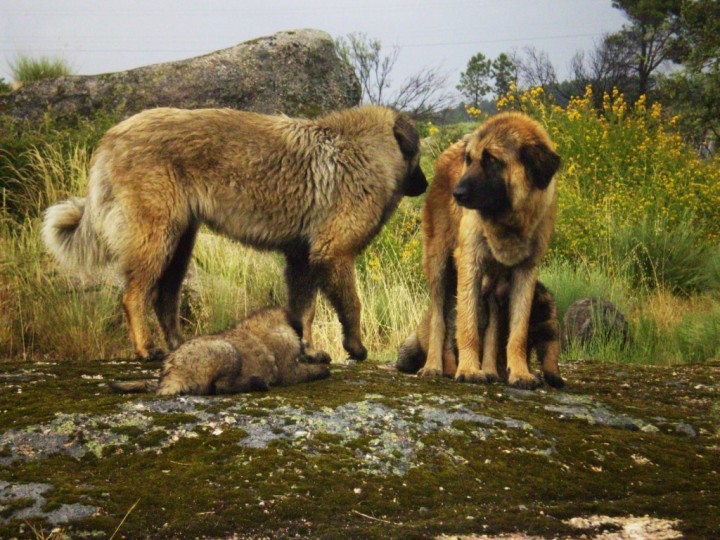
Eight of the eleven Portuguese breeds are recognized by the Fédération Cynologique Internationale (World Canine Organization). These dog breeds reflect the history of the modern Portuguese people's ancestors. Since those ancestors hunted, fished, and herded sheep in the mountains, you will not find any purely decorative or "toy" breeds among the Portuguese varieties.
Portuguese Water Dog
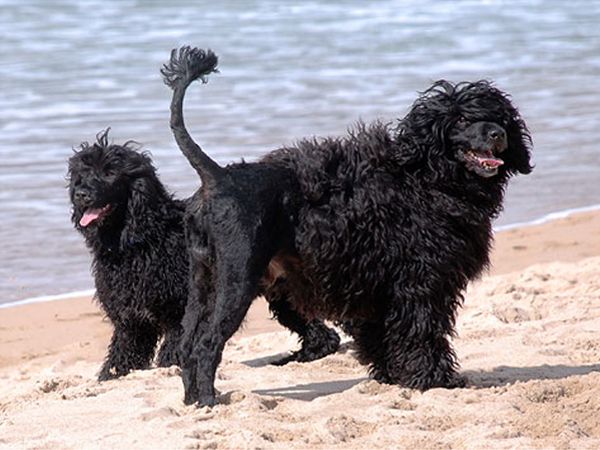
In the past, the Portuguese Water Dog was a helper and companion to fishermen living along the ocean coast in the country's southern region, the Algarve. It assisted them in their daily work and provided companionship. Today, it is a family member; the dog suffers without its family and craves social interaction. In 1981, the breed was listed in the Guinness Book of World Records as the rarest dog breed in the world. Breeders and enthusiasts saved the breed from extinction.
Perdigueiro Português
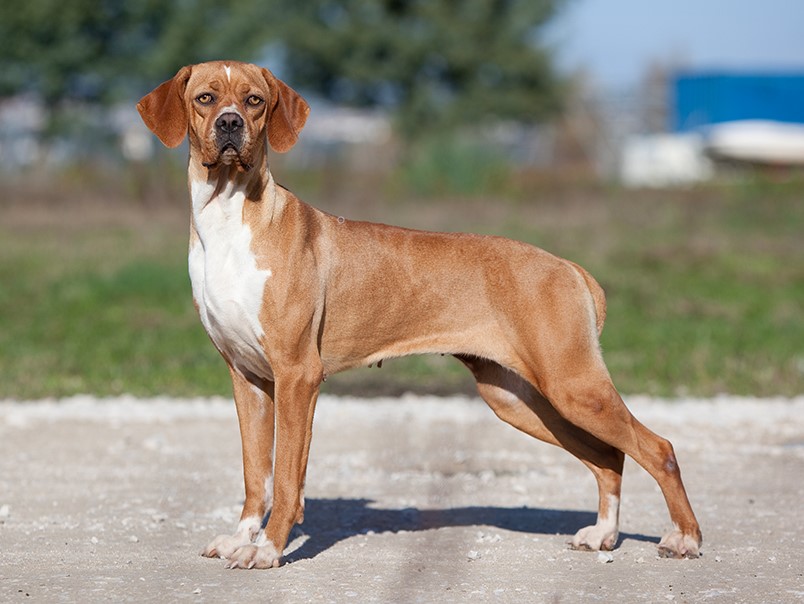
A hunting dog—the Portuguese Pointer. It was used primarily for hunting birds. In the 16th century, only the nobility were permitted to own this breed! Later, however, as much of the population departed in search of new lands and riches, there was no one left to cultivate the fields, and people turned more frequently to hunting; consequently, the breed began to appear among commoners as well as the nobility. Today, it is still used for hunting.
Podengo Português
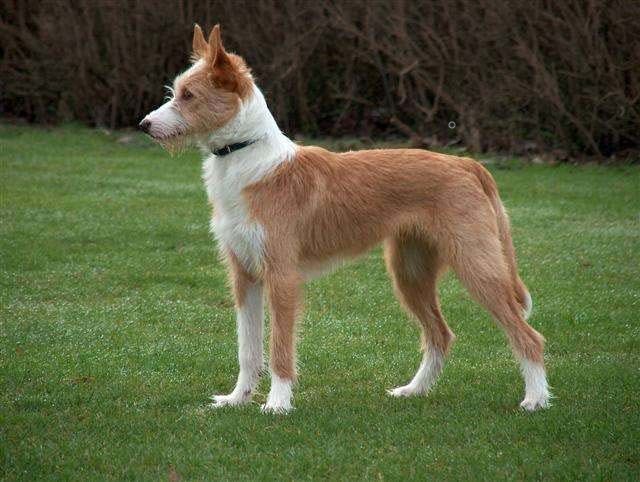
Also known as the Portuguese Rabbit Dog or Portuguese Hound, this breed is most found in northern Portugal. It comes in two coat varieties: smooth-haired and wire-haired. These two types developed in response to differing climates: a smooth coat dries more quickly during the prolonged rains of the north, while a wire coat offers excellent protection against both summer heat and winter cold in the south. The breed is also categorized into three sizes based on height at the withers: small, medium, and large. The large Podengo is used for hunting wild boar. They serve as hunting dogs, guard dogs, and companions. The breed is said to descend from Egyptian dogs brought to the Iberian Peninsula by the Phoenicians. They are highly energetic dogs that love to run and play; they are very sociable and non-aggressive!
Cão do Barrocal Algarvio
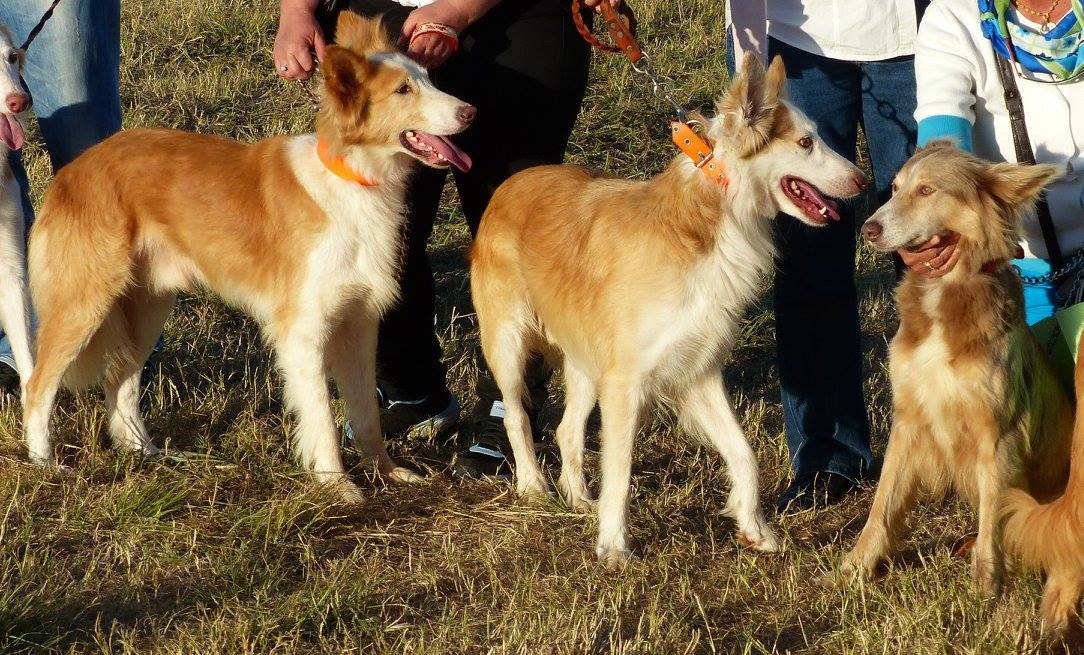
This breed’s closest relative is the Persian or Egyptian sighthound, a type spread across the Mediterranean basin by Phoenicians and Berbers. The breed became well-established in southern Portugal, specifically in the Barrocal sub-region (characterized by limestone hills and vegetation). Originally, these dogs were used to hunt hares. In the 1960s, the breed nearly vanished due to the introduction of other dog breeds, but it was saved by breeders who formed an association.
Barbado da Terceira
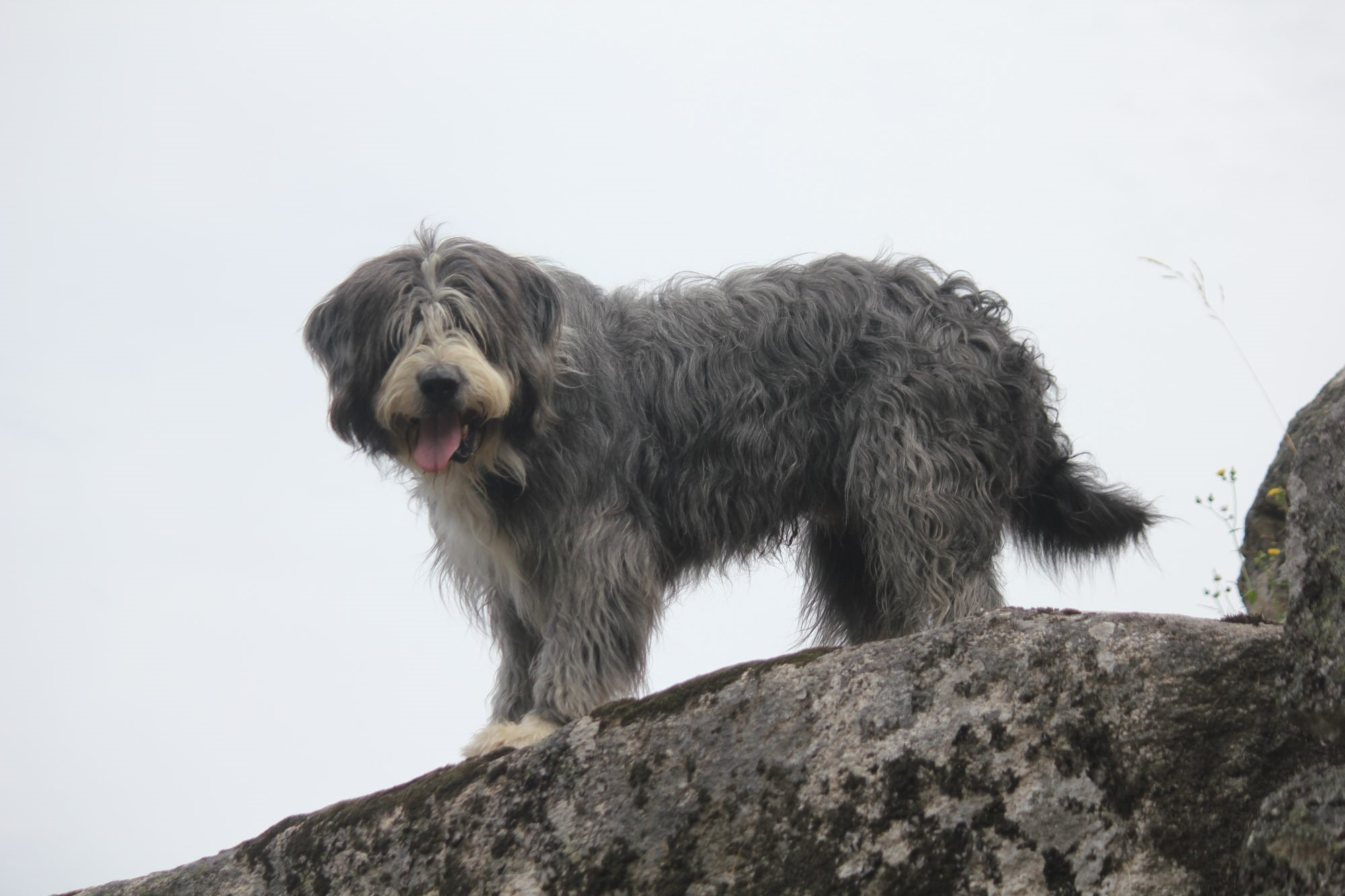
Originally, this agile and intelligent breed was used for herding livestock or driving wild herds into enclosures. Like other similar breeds, it now serves as a guardian and companion. It arrived on Terceira Island in the Azores archipelago with colonizers in the 15th century. It possesses a rather long, thick, and wavy coat. It is not recognized as a distinct breed by the Fédération Cynologique Internationale (FCI).
Cão da Serra de Aires
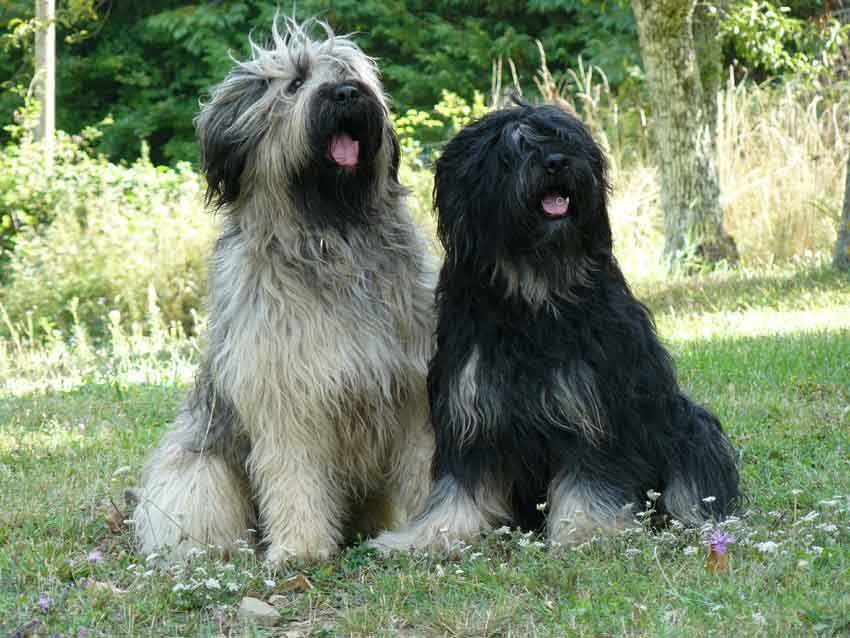
The Portuguese Sheepdog is an intelligent, agile herder of sheep, geese, chickens, and goats. This breed is highly cherished in the Alentejo region. It is sometimes nicknamed the "monkey dog" due to its facial expression!
Cão da Serra da Estrela
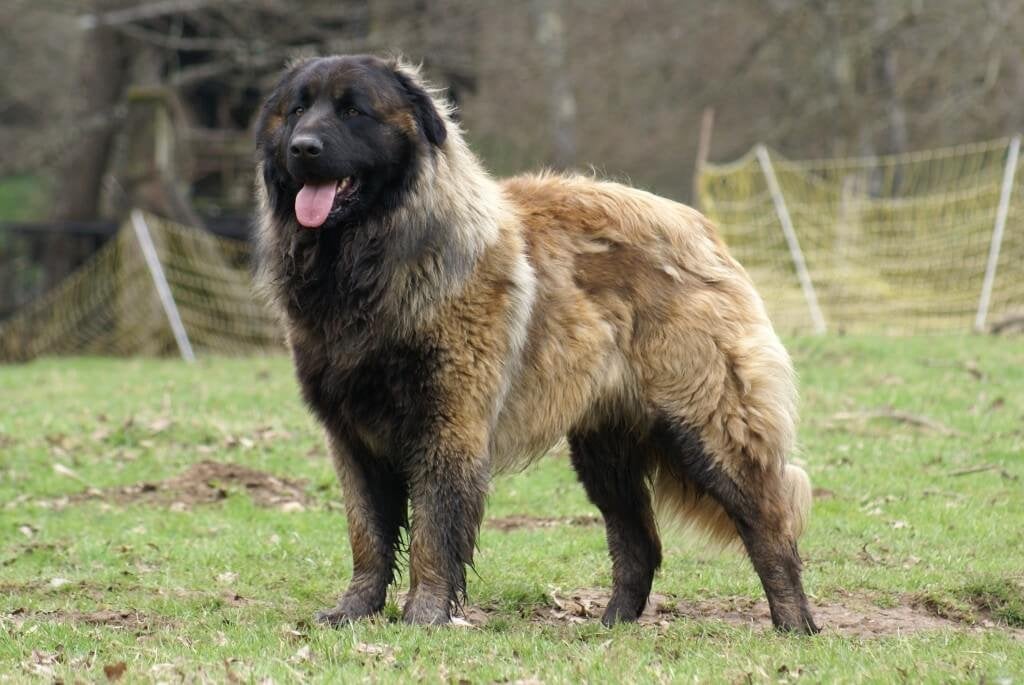
A mastiff-type dog hailing from the Serra da Estrela mountains. Both historically and to this day, it serves as a guardian and herder for flocks of sheep and goats. We have seen with our own eyes a pair of these dogs herding a flock of sheep entirely on their own! They are also used to guard homes and fields. There are both long-haired and short-haired varieties. On stores, you will find a sheep's cheese of the same name: Queijo Serra da Estrela.
Cão de Fila de São Miguel
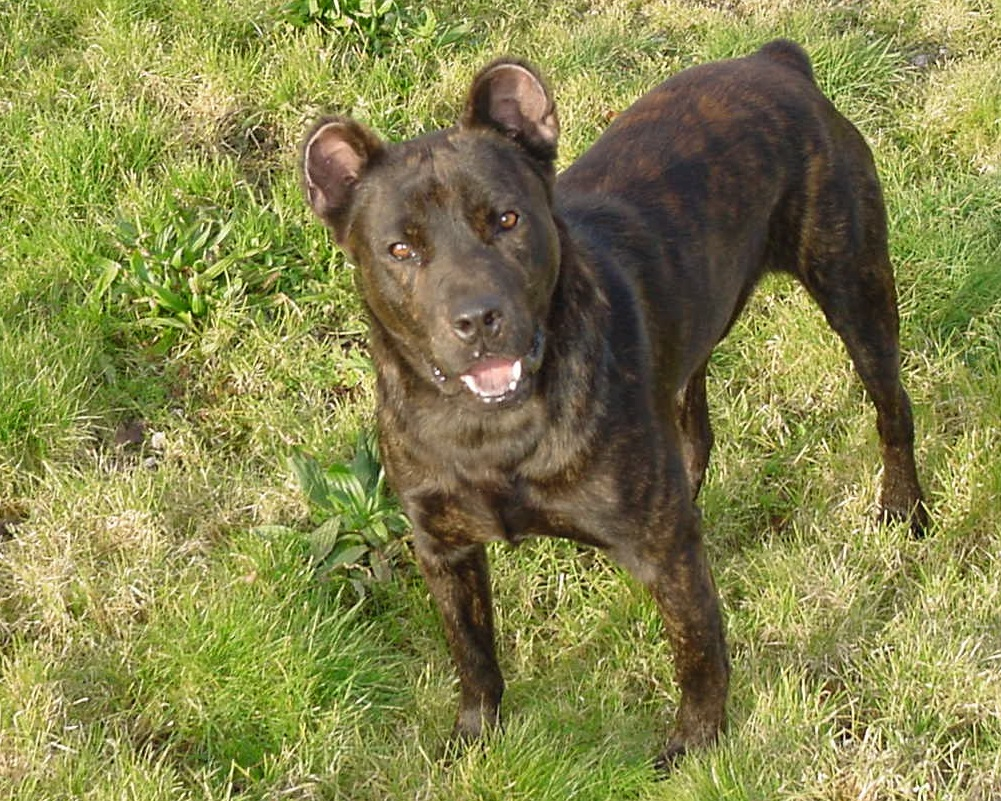
An Azorean herding dog from the island of São Miguel (Azores archipelago), belonging to the mastiff or molossoid type. Originally used for herding livestock, it now serves as a property guardian and a companion to its owner.
Cão de Gado Transmontano
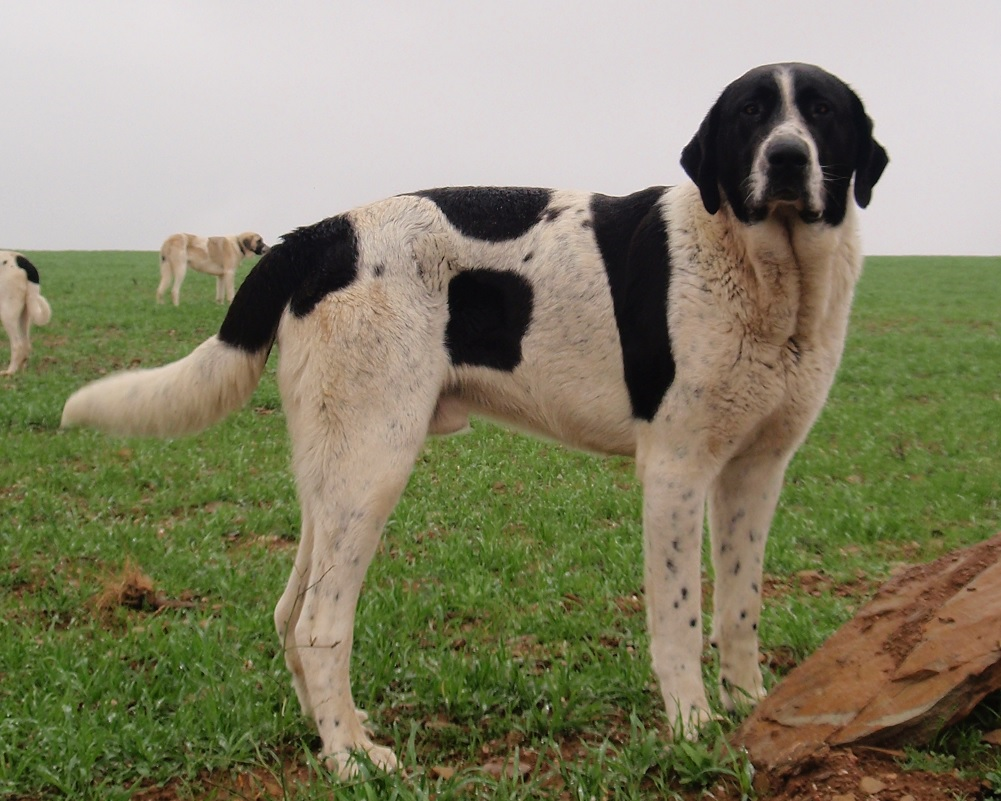
A big dog from the Portuguese region of Trás-os-Montes (literally "Behind the Mountains"). It is one of the mastiff breeds of the Iberian Peninsula that assisted shepherds in protecting flocks of sheep and goats from wolf attacks. It emerged as a distinct breed long ago, shaped by the region's isolation due to its mountainous and river-filled terrain.
Cão de Castro Laboreiro
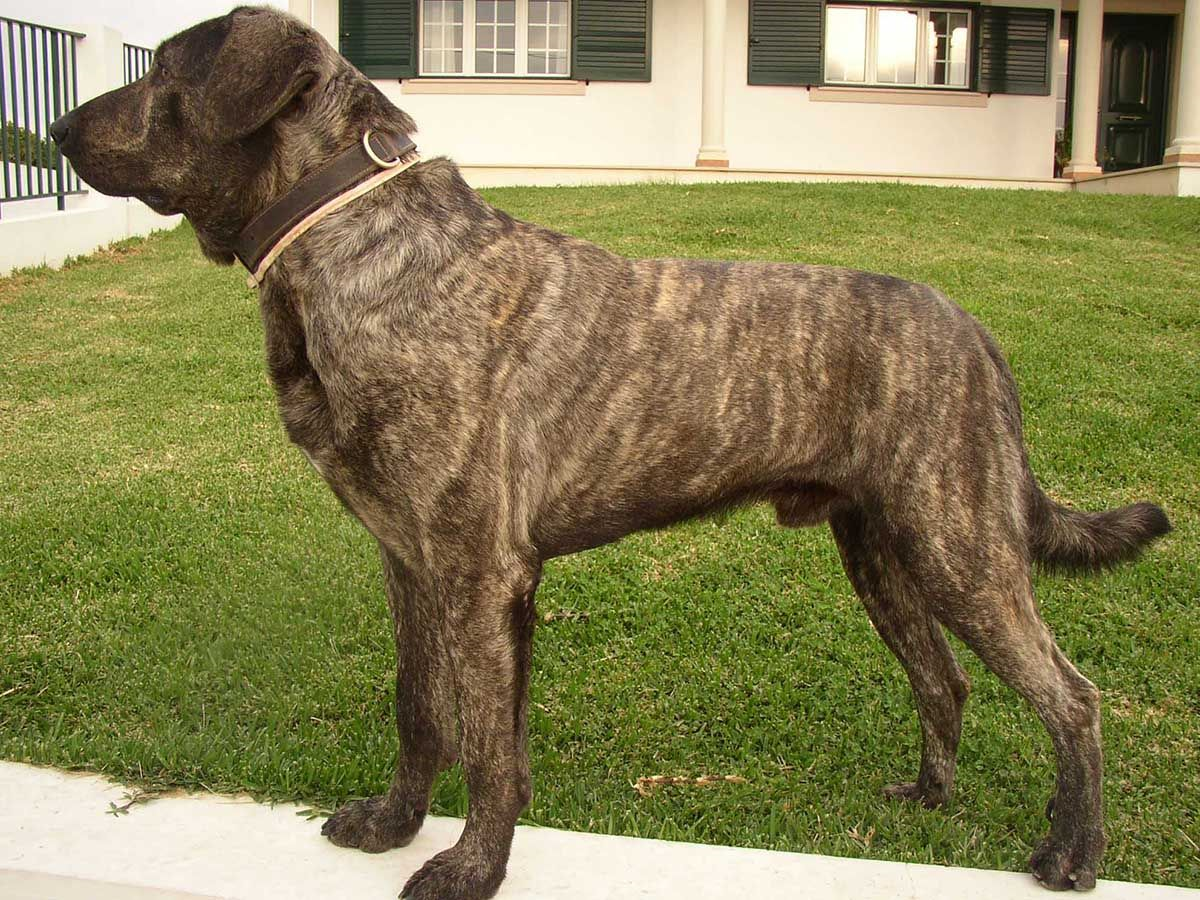
Hailing from the remote mountain regions of Peneda—specifically the village of Castro Laboreiro on the border with the Spanish province of Galicia — this Portuguese herding and guard dog once guarded and grazed flocks in the mountains without human intervention. Shaped by geographical isolation and natural selection rather than deliberate breeding, the breed is considered one of Europe's oldest. With the advent of industrialization, livestock farming in the area largely declined; consequently, these dogs now guard homes and farms, serve in the military, and act as human companions. The Fédération Cynologique Internationale (FCI) officially recognized the breed in 1955. However, the breed is not officially recognized in the United Kingdom or the United States.
Rafeiro do Alentejo
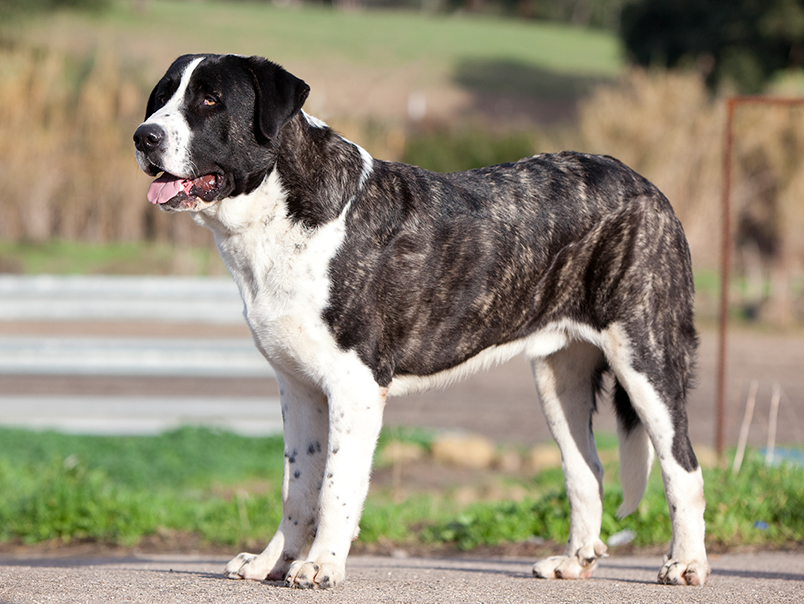
This big dog, aggressive toward strangers, is an excellent guard dog for large estates in the Alentejo region, in the south-central part of the country. Yet, within the family circle, it is a loyal companion. Although the word *rafeiro* translates to "mongrel" or "mixed-breed," the Rafeiro do Alentejo is a breed recognized by the Fédération Cynologique Internationale (FCI). The breed is believed to have originated from the Tibetan Mastiff, brought to the region by migrating peoples from Asia. During the Age of Discovery, the Portuguese introduced these dogs to the island of Newfoundland as they settled new territories.
We encounter some of these breeds at wine estates or while driving past pastures during our excursions and tours across Portugal. Would you like to see them?
Publication date: 25 May, 2018